Not so long ago, chinchillas were most popularly known for their beautiful fur rather than as pets. But did you know that chinchillas, these wonderful creatures, have grown increasingly popular as pets.
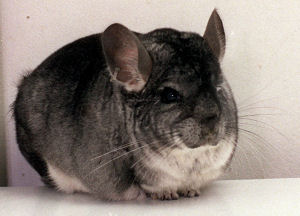 For those who have not had the pleasure of meeting a chinchilla, they are attractive rodents with fluffy tails — something like a cross between a small rabbit and a squirrel. You’re most likely to see a chinchilla in a shade of silvery gray, but there are now many shades for chinchillas, including white, beige, black and violet (a purplish- gray color). Originally from the South American Andes Mountains, they need fairly low temperatures and humidity. Because they can live from 12 to 20 years, it’s important to plan for a chinchilla’s long-term care if you decide to get one.
Common questions about keeping chinchillas as pets include:
Question: Can I get just one chinchilla or should I think about two?
Answer: Chinchillas can be happy as single pets, especially if you take great care to interact with yours. I personally feel that most animals are happiest with another of their kind, but there are a couple of problems with having two chinchillas.
The first is that finding a vet to spay or neuter the chins can take some time. I’m familiar with some of the chinchillas that have come into Heartland Humane Society in Corvallis — most were altered with no ill effects. However, some resources suggest that chinchillas cannot tolerate anesthesia well. In recent years, advances in anesthesia coupled with a knowledgeable vet mean you should have no problems getting your pets spayed or neutered.
Second, chinchillas must be introduced slowly and carefully. You cannot just put two together — they may fight. It often works well to put a younger chin in with an older one, as the older one is likely to be more relaxed. If you would like two, adopt an already bonded pair or get help from the breeder or rescue you’re getting the chin from.
Q. Do chinchillas make much noise?
A. Chinchillas are very quiet. They can make a low grunting or barking noise, typically only if they are upset or concerned about something.
Chinchillas are nocturnal, meaning that they are most active at night. They may make noise when they play at night, so don’t plan on keeping them in your bedroom unless you are a sound sleeper.
Q. What do chinchillas eat?
A. Chinchillas are herbivores and eat a variety of hay and vegetables. A good quality chinchilla food in a pelleted form is a good way to make sure they get all the nutrients they need. Hay helps keep their teeth worn down and their digestive systems moving. Treats can include dried or fresh fruit in moderation.
Q. What kind of cage do I need for my chinchilla?
A. The best cage is large, allowing lots of room for play, and sturdy. Different levels are nice, as chinchillas like to move from level to level. You can choose to get housing with a wire mesh bottom or a solid bottom — if wire, make sure the chins have areas to sit that are not on the wire, to protect their feet. If a solid bottom is used, a good bedding should be aspen, fir or kiln-dried pine shavings (no cedar as its oils can cause respiratory problems and organ damage), a paper bedding such as Carefresh, or newspapers. In general, chinchillas don’t have much odor, so you should be able to keep them clean with a weekly or twice-weekly cleaning.
Inside the cage, toys are important. Cardboard boxes, PVC drain pipe that’s at least 4 inches and a large, solid wheel to run in can all be part of your chinchilla’s cage furniture. For the wheel, you’ll need to buy one specifically for chinchillas; the larger size and solid construction are less likely to cause injury.
Q. Can my chinchilla be loose in the house? 
A. While rabbits and some other rodents can be loose in the house with suitable protection of chewable wires and other items, chinchillas really, really like to chew. They can chew furniture, walls and cords, so if you’re going to have your chinchilla out, supervise it carefully. That said, taking your chinchilla out of its cage can give it good exercise and help it bond to you. Just watch it so it can’t get hurt or damage your possessions. It’s probably best to return your chinchilla to its cage when you’re not watching.
Q. Will my chinchilla need veterinary care?
A. All animals should have a vet in case they become ill. With chins, it’s vital to find a suitable vet early on, before anything goes wrong. Annual checkups are good ideas for small “prey†animals like chinchillas, rabbits and guinea pigs, simply because they are so good at hiding any health problems. (In the wild, a prey animal that shows weakness often becomes a predator’s next meal.)
Malocclusion, or misalignment of the teeth, can be an issue, especially in poorly bred chinchillas. Digestive problems can also plague chins — they have similar issues to rabbits and horses. Heat exhaustion or heat stroke can also plague chinchillas. Any time their environment is over 70 degrees, there could be problems; chins just cannot tolerate anything hotter than 80 degrees for any reason.
Abscesses, heart murmurs and other heart problems, and seizures can also affect chins.
Q. Where can I get more information about a pet chinchilla?
A. Some great online resources exist for potential chinchilla owners.
Look up www.chincare.com for starters. Also, look for a responsible breeder or rescue for these creatures, and rely on help from that person.
Source: Gazette-Times
PS: We can’t wait until we do our first Custom Chinchilla portrait!!

